
 Hospitals
 Companies
Sihor has nine Shiva temples, and doing all nine in one go is called the Navnath Yatra. It’s one of the more unusual temple walks in Bhavnagar district. Sihor was actually where the region’s rulers sat before Bhavnagar took over, and that’s part of why the town ended up with so many temples to begin with. This post covers the nine temples, the order people usually walk them in, and when to go.
What is Navnath?
Navnath means “nine gods.” Elsewhere in India it usually points to nine legendary yogis from the Nath tradition, connected to Shiva and to Hatha Yoga. Sihor took the name and used it differently. Instead of temples for nine yogis, the town just has nine actual Shiva temples that share the name. Doing all nine, in order, is the Navnath Yatra, sometimes called the Navnath Parikrama.
There’s no single compound here. You’ll pass through a market, climb into the hills, go down into an old stepwell, walk past a cremation ground, and end up by the river. It’s a real walk through the town, not a few steps between shrines.
What are the Nine Shiv Temples?
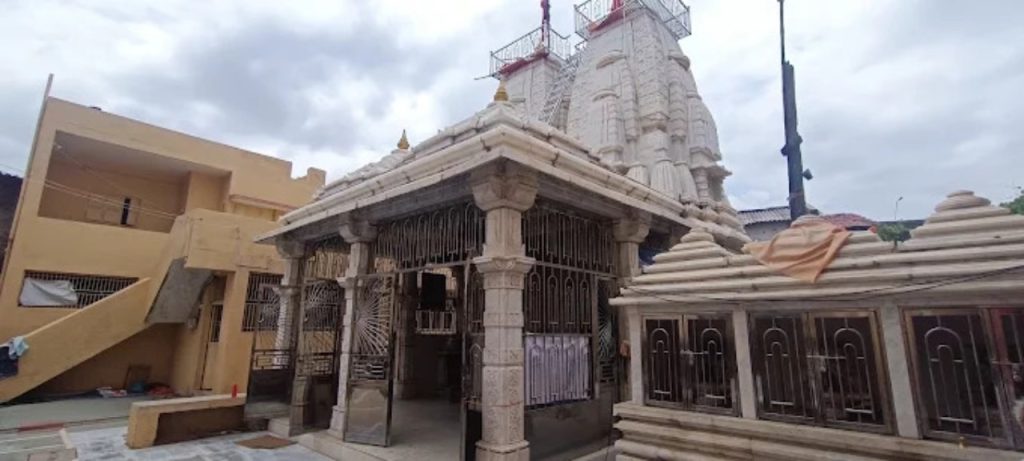
Rajnath Mahadev
Inside Sihor’s old vegetable market, right where the yatra quietly begins.
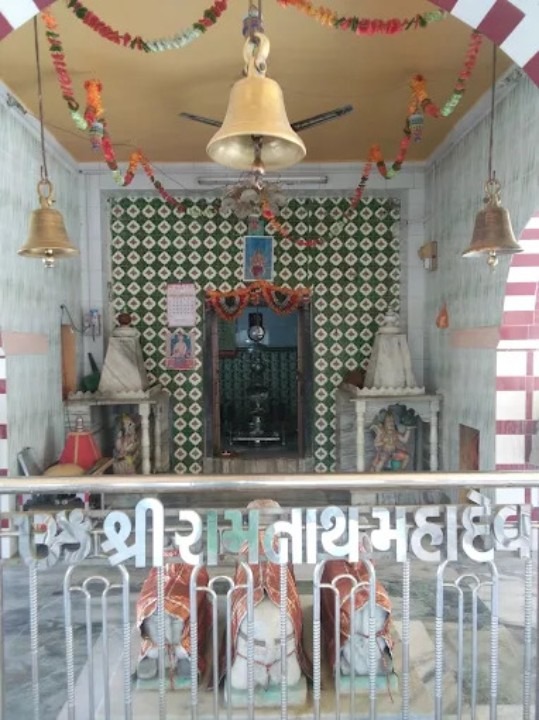
Ramnath Mahadev
Up in the hills above town, a quiet spot away from the market noise.
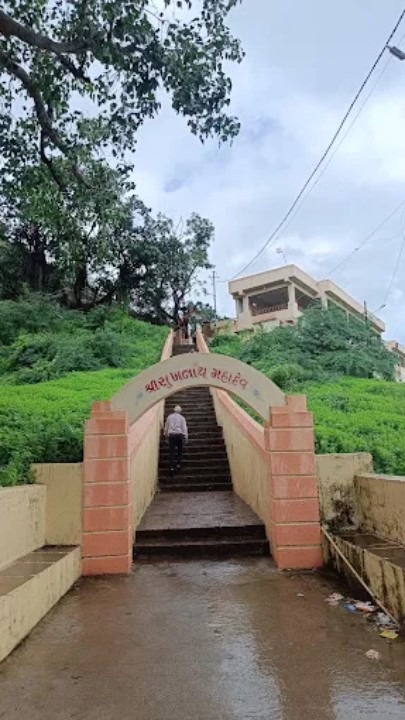
Sukhnath Mahadev
Next to Saat Sheri hill, a peaceful pause on the way back from Ramnath.
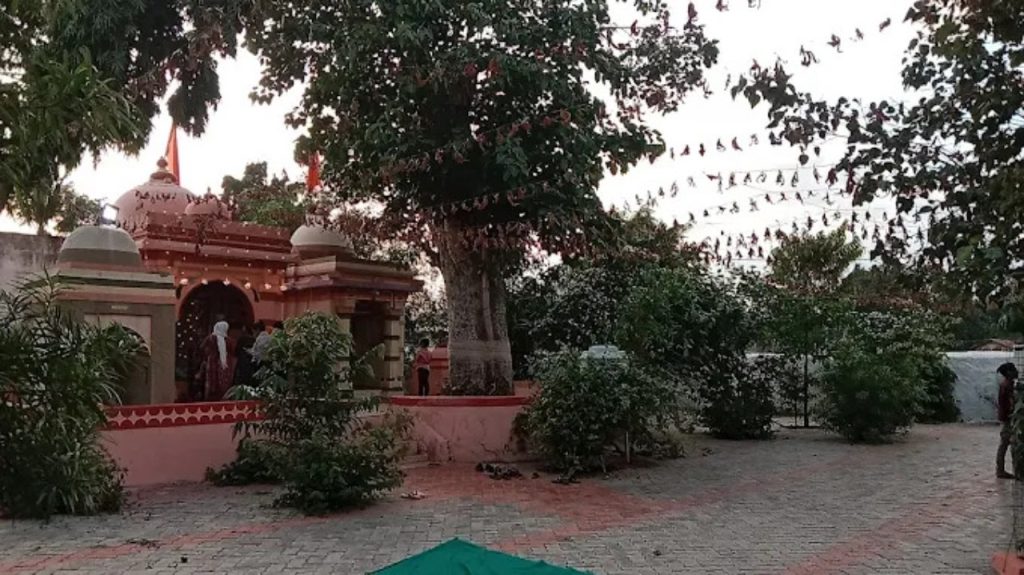
Bhavnath Mahadev
A small shrine on the path toward the Brahma Kund, easy to miss if you’re not looking.
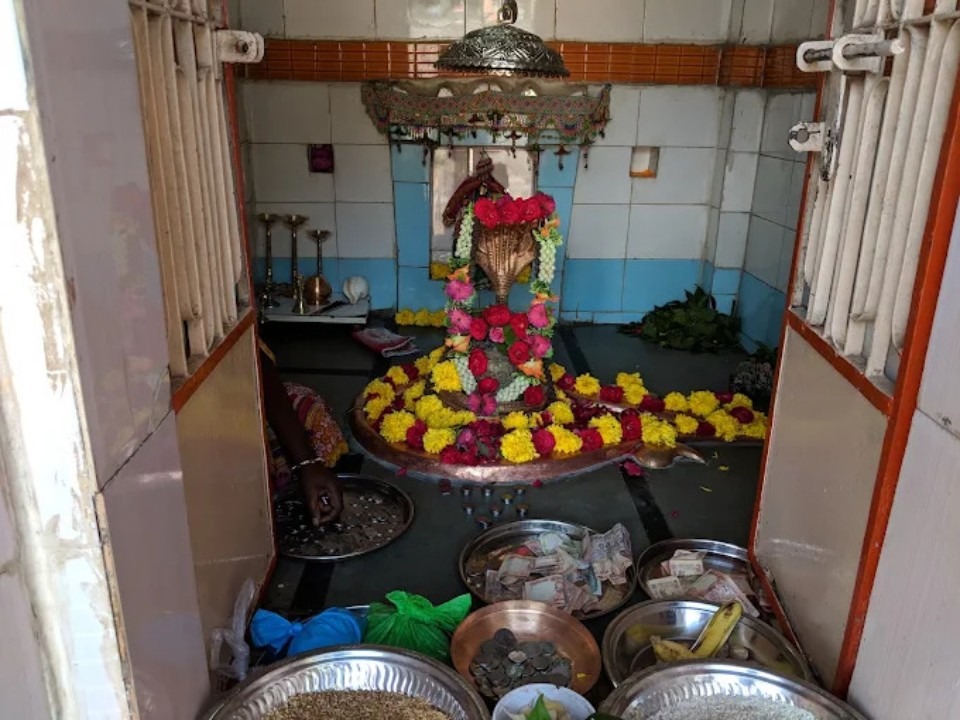
Kamnath Mahadev
Built inside an old stepwell at the Brahma Kund. You walk down into the earth to reach it.
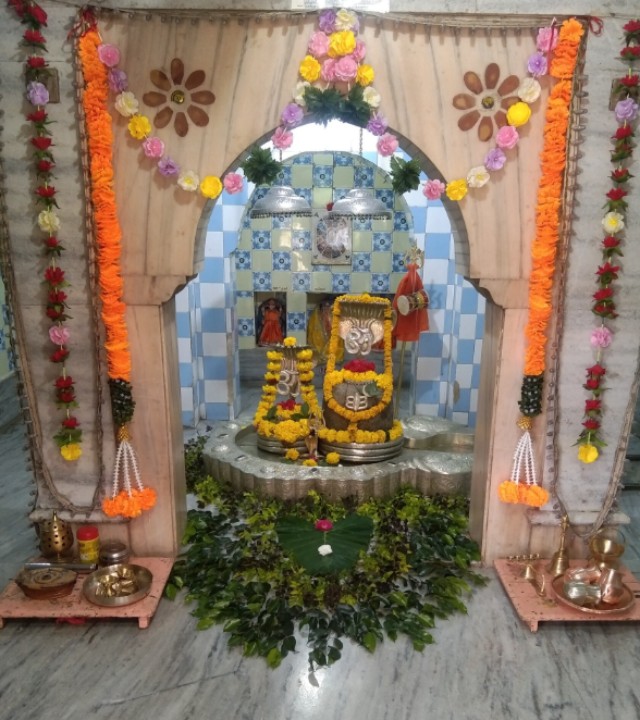
Jodnath Mahadev
Right beside the Brahma Kund, sharing its corner with a newer Sai Baba shrine.
Bhutnath Mahadev
Beside Sihor’s cremation ground, the stop that stays with most people longest.
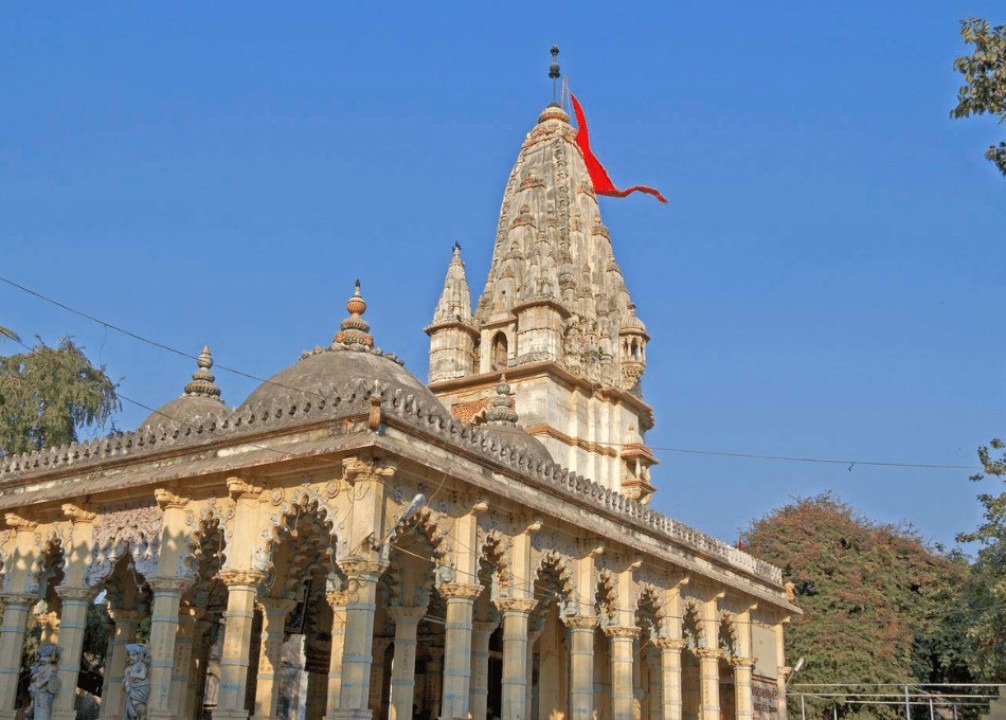
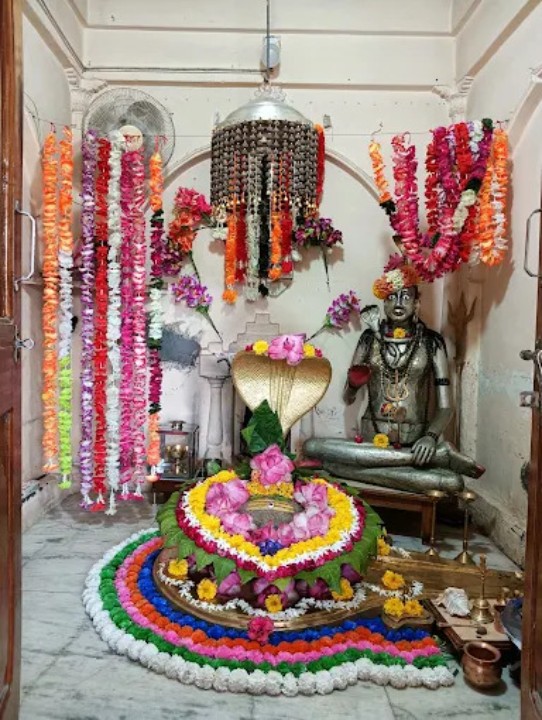
Dharnath Mahadev
On the western bank of the Gautami River, near an old rest house that’s seen its share of tired travelers.
Bhimnath Mahadev
The final stop, on the riverbank, facing another shrine called Pragatnath across the water.
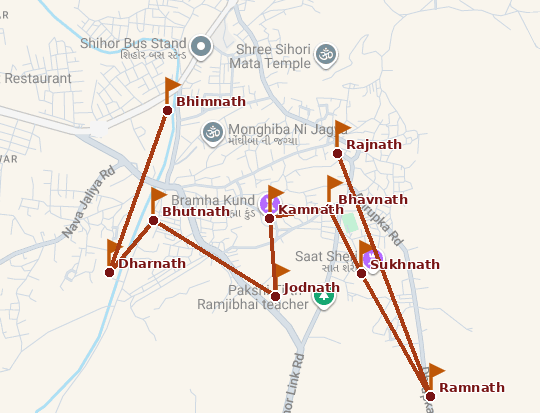
Sihor Navnath Route
Most pilgrims follow this order: Rajnath, Ramnath, Sukhnath, Bhavnath, Kamnath, Jodnath, Bhutnath, Dharnath, and finally Bhimnath. Locals sometimes adjust it a little depending on which part of town they’re coming from, but this is the sequence most people walk.
Importance of Navnath in Shravan Month
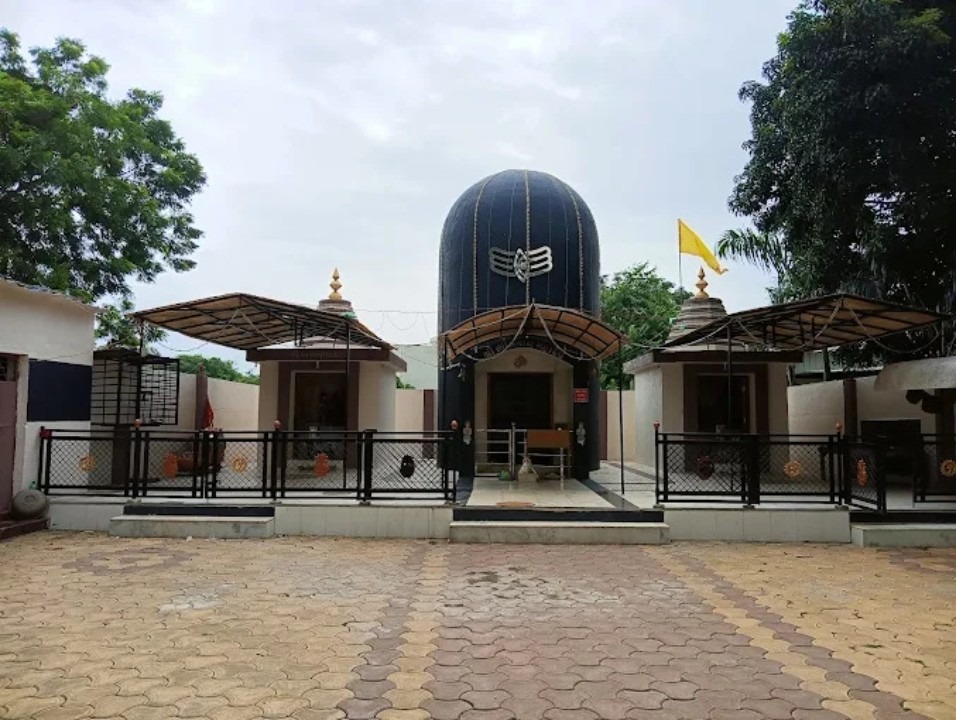
The nine temples stay open all year, but Shravan is when the Navnath Yatra means the most to people here. The whole month is dedicated to Shiva, and Mondays during Shravan, known locally as Shravaniyo Somvar, bring the largest crowds. Devotees from Bhavnagar and surrounding towns travel in specifically for this, alongside Sihor’s own residents who do the circuit regularly.
The monsoon also changes how the route looks and feels. The hills around Ramnath turn green, the Brahma Kund fills back up, and the Gautami River picks up again after the dry months. Stalls selling bel patra, milk, and Sihor’s own Rajwadi Penda, a milk sweet used here as prasad, line the route through this stretch of the month.
What is the Best Time to Do Navnath Yatra in Sihor?
Shravan, particularly the Mondays within it, is when the yatra is at its fullest and busiest, if you want to be part of the crowds and the festival mood. If you’d rather do the walk at your own pace without the Shravan rush, October through March works well too, when the weather is cooler and the greenery from the rains is still fresh. Avoid the peak summer months of April to June, since several stretches of the route have no shade and the heat makes the walk hard going.
FAQs
What does Navnath mean?
Navnath means “nine gods.” In Sihor, it refers to nine Shiva temples spread across the town that together make up one temple circuit.
How long does the Navnath Yatra in Sihor take?
A few hours at a steady walking pace, longer if you stop to pray at each temple.
Which is the first temple in the Sihor Navnath Yatra?
Rajnath Mahadev, near the old vegetable market, is the traditional starting point.
Is the Navnath Yatra only done during Shravan?
No, all nine temples are open year-round. Shravan just brings the largest crowds and the biggest festival atmosphere, especially on Mondays.
Is the route suitable for elderly visitors?
Parts of it, especially the climb to Ramnath and the descent into Kamnath’s stepwell, take real physical effort. If you or someone with you finds long walks hard, it’s better to pick a few key temples rather than attempt the full circuit.
Summary: Navnath in Sihor
The Navnath Yatra is a nine-temple circuit spread across Sihor, a town in Bhavnagar district known for its dense concentration of Shiva temples. The nine temples, visited in the order Rajnath, Ramnath, Sukhnath, Bhavnath, Kamnath, Jodnath, Bhutnath, Dharnath, and Bhimnath, take pilgrims through the town’s market, hills, an old stepwell, and its riverbank in one continuous walk. It’s most active during Shravan, especially on Mondays, but the temples are open year-round for anyone looking to do the circuit at a quieter pace.

Dhiraj Patel is a seasoned writer for Bhavnagar.city, passionately exploring the city’s culture, history, and lifestyle. With a deep understanding of Bhavnagar’s heritage, he crafts engaging, well-researched content that resonates with locals and visitors alike. Dhiraj’s expertise and firsthand experiences ensure his articles are both informative and trustworthy.