
 Hospitals
 Companies
The Bhavnagar District Court stands as a monumental pillar of the Indian judicial system within the Saurashtra region of Gujarat. Serving as the primary center for dispute resolution and justice delivery for the district, it holds a significant place in the lives of the local population. From handling complex civil litigations to serious sessions trials, this institution is responsible for upholding the rule of law for the city and its surrounding talukas.
This detailed guide delves deep into the workings of the district judiciary, exploring its rich historical roots, its modern digital transformation, and practical guides for litigants navigating the legal system. Whether you are looking for case status, trying to understand the tribunal’s jurisdiction, or need information on legal aid, this article covers every essential aspect.
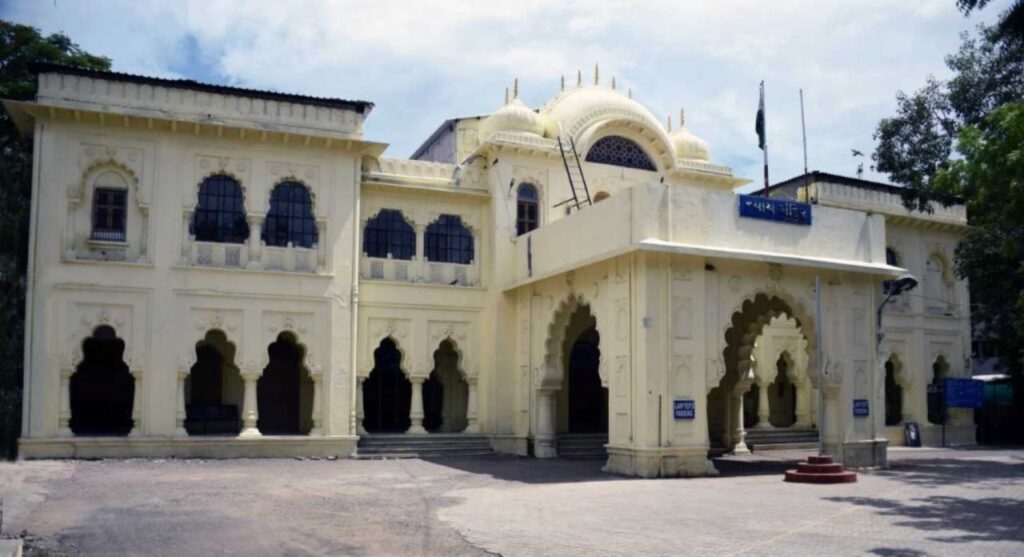
The Historical Legacy of the Judiciary in Bhavnagar
To understand the prestige of this judicial body, one must look back at the progressive history of the Bhavnagar State. Unlike many other regions that adopted modern legal practices only after independence, this area had a robust framework established during the princely era.
- Early Beginnings (1866): The formal judicial administration in the region began around November 1866. The rulers of the state were pioneers in separating the judiciary from the executive branch—a core democratic principle that ensures fair trials without political interference.
- Maharaja Jashvantsinhji’s Vision: The visionary Maharaja Jashvantsinhji played a crucial role in establishing a system that was accessible to the common man. His reforms laid the groundwork for what would eventually become the modern legal infrastructure we see today.
- Post-Independence Transition: Following the integration of the princely states into the Indian Union in 1948, the institution transitioned from a Royal Court to a District and Sessions Division under the direct supervision of the High Court of Gujarat.
Today, the court carries this 150-year-old legacy forward, blending traditional values of justice with modern technology to serve the public efficiently.
Location, Infrastructure, and Accessibility
The judicial complex is strategically located to ensure easy access for residents of the city and the wider district. The campus is not just a building; it is a sprawling area designed to facilitate various legal functions simultaneously.
- Official Address: Principal District & Sessions Judge, District Court Complex, High Court Road, Nawa Para, Bhavnagar, Gujarat – 364001.
- Key Landmarks: The complex is situated near the Jail Road and Ghogha Circle area. It is a well-known landmark, easily accessible via auto-rickshaws and city buses, making it convenient for litigants traveling from remote villages.
- Complex Facilities:
- Multiple Courtrooms: The building houses separate rooms for the Principal District Judge, Additional Sessions Judges, and Magistrates, ensuring an organized flow of hearings.
- Bar Association Hall: A dedicated space for lawyers to work, consult with clients, and access legal libraries.
- Litigant Waiting Areas: Designated shaded areas are available for the public attending hearings, providing relief during long waiting hours.
- e-Sewa Kendra: A help desk facility established to assist citizens with digital services, scanning documents, and case inquiries.
Administrative Structure and Jurisdiction
The Bhavnagar District Court exercises wide-ranging powers over the entire revenue district. Its jurisdiction is classified into several categories, ensuring that cases are routed to the correct specialized bench for faster disposal.
1. Civil Jurisdiction
The district judiciary acts as the primary appellate authority for civil matters arising from subordinate courts. It also has original jurisdiction for civil suits involving higher property values.
- Property Disputes: Cases involving land ownership, tenancy issues, and inheritance battles.
- Financial Suits: Recovery of money, banking disputes, and breaches of commercial contracts.
- Insolvency Matters: Legal proceedings regarding bankruptcy and debt relief for individuals and entities.
2. Criminal Jurisdiction
As a Sessions Division, the court handles serious criminal offenses that require a higher level of scrutiny.
- Sessions Cases: Crimes punishable by life imprisonment or death (e.g., murder, narcotics trafficking) are tried here after being committed by the Magistrate courts.
- Bail Applications: The judges hear regular and anticipatory bail applications for serious offenses where lower courts do not have the authority to grant relief.
- Criminal Appeals: It hears appeals against convictions and sentences handed down by the Judicial Magistrates of the First Class (JMFC).
3. Specialized Tribunals
To reduce the backlog and provide focused justice, specific types of cases are diverted to specialized benches within the complex.
- MACT (Motor Accident Claims Tribunal): Exclusively for adjudicating compensation claims related to road accidents.
- Family Court: Handles sensitive matters such as divorce, restitution of conjugal rights, and child custody.
- POCSO Court: Dedicated fast-track proceedings for crimes against children, ensuring a sensitive and speedy trial environment.
- Commercial Court: Dealing with high-value commercial disputes to ensure they do not get stuck in the regular litigation cycle.
Digital Transformation: eCourts and Online Services
The institution has successfully integrated into the National Judicial Data Grid (NJDG). This digital shift means that litigants no longer need to physically visit the registry for every minor detail. The “Court Information System” (CIS) allows real-time updates of case proceedings.
Key Online Services Available:
- Case Status: Live tracking of whether a case is pending or disposed of.
- Daily Orders: Access to interim orders passed by the judge on a specific hearing date.
- Final Judgments: The full text of the final verdict is uploaded to the portal for public view.
- Caveat Search: A facility to check if a caveat has been filed to prevent ex-parte orders against a party.
Using these digital tools significantly reduces corruption, saves valuable time, and brings transparency to the workings of the local justice system.
How to Check Case Status at Bhavnagar District Court
For many citizens, navigating the technicalities of the website can be daunting. Here is a simplified, step-by-step guide to checking the status of your litigation online.
Method 1: Using the CNR Number (Most Accurate)
The CNR (Case Record Number) is a unique 16-digit identity assigned to your specific file.
- Open the eCourts Services website or the official mobile app.
- Click on the “Search by CNR” option.
- Enter the 16-digit code provided to you when the case was filed.
- Enter the Captcha code and click Search.
- Result: This provides the most detailed history, including the next hearing date and business carried out on previous dates.
Method 2: Using the Case Number
If you have lost your CNR number, you can use the registration details.
- Select “Gujarat” as the State and “Bhavnagar” as the District.
- Choose the specific court complex from the dropdown menu.
- Click on the “Case Status” tab and select “Case Number.”
- Select the Case Type (e.g., Regular Civil Suit, Sessions Case, Criminal Misc. Application).
- Enter the Number and the Year (e.g., 123 of 2024).
- Click “Go” to view the current stage of the matter.
Method 3: Using Party Name
If you only know the name of the person involved:
- Select the “Party Name” tab under the search menu.
- Enter the name of the Petitioner (Plaintiff) or Respondent (Accused).
- Note: This might show multiple results if the name is common. You will need to filter by the year or case type to find the correct file in the database.
Procedure for Filing Cases and Certified Copies
If you are new to the legal system, understanding the procedural workflow of the Bhavnagar District Court is vital for a smooth experience.
Filing a Civil Suit
- Drafting the Plaint: Your lawyer drafts a “Plaint” detailing the grievance, facts of the matter, and the specific relief sought.
- Vakalatnama: You must sign a Vakalatnama, a document authorizing a lawyer to represent you in the legal proceedings.
- Court Fees: Appropriate court fees (Stamp Duty) must be paid based on the value of the suit or the type of petition.
- Filing Counter: The documents are submitted to the central filing counter (Registry). The Registrar verifies the documents for technical errors or missing pages.
- Registration: Once verified, the case is given a registration number and assigned to a specific judge for the first hearing.
Obtaining Certified Copies (C.C.)
To appeal a judgment to the Gujarat High Court, you need a Certified Copy of the order.
- Application: File a standard application form for a Certified Copy at the Copying Department.
- Estimated Cost: You will be asked to deposit an estimated amount for paper and copying charges.
- Urgent vs. Ordinary: You can apply for an “Urgent” copy for a slightly higher fee to get the documents faster, usually within a few days.
- Collection: Once prepared, the status is displayed on the notice board, and the copy can be collected.
The Daily Cause List
The “Cause List” is the daily timetable of the court. It is essential for knowing if your case will be heard today and in which courtroom.
- Online Access: Visit the eCourts website, select the district, and click on “Cause List.”
- Court-wise View: You can view the list by the Judge’s name to see their entire board for the day.
- Information Displayed: The list shows the Case Number, Party Name, and the purpose of the hearing (e.g., for Evidence, for Arguments, for Orders).
If your case is far down the list (e.g., item number 50), the hearing might be adjourned to a later date due to time constraints, so checking this list saves unnecessary waiting.
Legal Aid and Lok Adalat Services
Justice should not be a privilege of the rich. The legal framework in the district includes the District Legal Services Authority (DLSA) to assist the underprivileged.
Who is eligible for Free Legal Aid?
- Women and children.
- Members of Scheduled Castes (SC) and Scheduled Tribes (ST).
- Industrial workmen.
- Persons with an annual income below the prescribed government limit.
National Lok Adalat: The judiciary actively participates in National Lok Adalats held quarterly. These are dispute resolution camps where pending cases like check bouncing, traffic challans, and family disputes are settled via compromise.
- Benefit: There is no appeal against the Lok Adalat award, and the court fee is often refunded to the parties.
Practical Tips for Visiting the Complex
Visiting the court can be overwhelming for a first-timer. Here are some practical tips to ensure a smooth experience:
- Parking: The area around High Court Road is often congested. Public parking is available, but it fills up quickly in the morning. It is advisable to arrive early (around 10:30 AM) to find a spot.
- Decorum: Maintain absolute silence inside the courtrooms. Mobile phones must be switched off or kept on silent mode to avoid contempt of court.
- Dress Code: While litigants are not required to wear a uniform, decent formal or semi-formal attire is expected within the premises.
- Beware of Touts: Always engage with registered advocates or officials at the inquiry counter. Avoid middlemen loitering outside the gates who promise quick results.
Conclusion
The Bhavnagar District Court serves as the guardian of justice for the district’s citizens. From its historical inception under the state administration to its current status as a digitally enabled judicial hub, it has evolved to meet the needs of the people. It handles a massive volume of Civil, Criminal, and Family matters with a structured hierarchy and specialized benches.
Finding a qualified advocate is a critical step for anyone facing a court case, whether for civil, criminal, or family matters. For those in need of professional legal assistance, we have compiled a list of the best lawyers in Bhavnagar to help you find the right counsel for your specific needs
For the common citizen, the integration of technology has made the legal process more accessible than ever. Whether you are tracking a case via the CNR number, downloading a judgment, or seeking free legal aid, the systems are in place to assist you. Understanding these processes empowers you to navigate the legal landscape with confidence and ensures that your rights are protected.
Frequently Asked Questions (FAQs)
Q1: What are the working hours of the court?
The judicial offices generally function from 10:30 AM to 5:00 PM. However, the filing counter may close earlier. The complex remains closed on Sundays and the 2nd and 4th Saturdays of every month.
Q2: How can I find a lawyer?
You can visit the Bar Association office located within the complex. Alternatively, you can check the “Advocate Search” feature on the eCourts portal to see lawyers who are actively handling cases in the Bhavnagar District Court.
Q3: Can I file a case online?
Yes, e-Filing is available for advocates and registered litigants through the e-Filing portal of the Indian Courts. However, physical submission of documents is often still required for verification by the registry.
Q4: Where is the Motor Accident Claims Tribunal (MACT) located?
The MACT is part of the district jurisdiction and sits within the main complex or the adjacent buildings on High Court Road.
Q5: Is there a canteen facility inside?
Yes, there is a canteen facility available for advocates, staff, and visitors within the compound, providing basic refreshments and meals during working hours.

Dhiraj Patel is a seasoned writer for Bhavnagar.city, passionately exploring the city’s culture, history, and lifestyle. With a deep understanding of Bhavnagar’s heritage, he crafts engaging, well-researched content that resonates with locals and visitors alike. Dhiraj’s expertise and firsthand experiences ensure his articles are both informative and trustworthy.